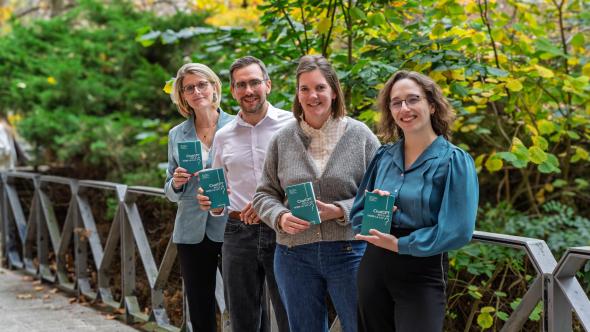
What is Passerelle?

The Passerelle collection was born out of a conviction: academic knowledge should be shared directly with society in a way that is accessible but also scientifically accurate. "The books, designed as genuine tools for popularizing science, combine rigorous knowledge transfer with accessibility to research," explains Elise Degrave, director of the Passerelle collection. The books in the collection build a direct link between researchers and readers. "The aim of Passerelle books is to provide reliable and understandable information, so that everyone can say at the end of the book: I understood everything," continues Elise Degrave. 

What is the vision behind the Passerelle collection?

Elise Degrave explains that the project was born out of a simple observation: research truly comes into its own when it can be shared. "Knowledge circulates among specialists. Making it available to the public allows universities to fully play their role in serving society and promoting democracy by guaranteeing citizens direct and informed access to knowledge," says Elise Degrave. For her, these books are also a way of highlighting work that is often long and discreet, and of energizing researchers by allowing them to explain the practical usefulness of their work. The books can also serve as a catalyst for meetings, a resource for conferences or debates, or even a "calling card" for their authors. For the Vice-Rectorate for Research at UNamur, which fully supports the project, popularization is one of the pillars of the university's mission. Indeed, it helps identify issues that matter to civil society and encourages researchers to engage in dialogue with it.

Who is the collection aimed at?

"Passerelle targets readers aged 16 to 116," smiles Elise Degrave. "Not children, not experts, but an audience curious to understand social issues," she continues. Each manuscript is proofread twice. First, it is reviewed by specialists in the field to ensure the accuracy of the information, and then by people familiar with popular science writing to verify that "anyone who is curious can understand it," insists Elise Degrave. The central idea of the collection is to appeal to the general public and combine interest, reliability, and accessibility. 

Image
Elise DEGRAVE

In this era of fake news, it is important to have reliable information available. Discoveries and analyses made at the university are communicated directly to the public, acting as a bridge between the university and citizens. 

Elise Degrave Director of the Passerelle collection

Why the name "Passerelle"?

The very name of the collection reflects this ambition to create a link between academic knowledge and the general public. The bridge exists physically on campus, connecting the university to the city. The word therefore perfectly symbolizes this transfer of knowledge between the university and society. "In this era of fake news, it is important to have reliable information available. The discoveries and analyses made at the university are transmitted directly to the public, like a bridge between the university and citizens. These books also give visibility to university research at a time when its usefulness is regularly questioned," explains Elise Degrave. 

Why is Passerelle unique?

In addition to the goal of making the collection accessible to a wider audience and placing the public at the center of the approach, Passerelle's originality also lies in its format. Pocket-sized, with modern and colorful graphics, titles in the form of questions, and a lively layout... "The whole thing has to remain light, accessible, dynamic, and readable," say Anne Brutsaert and Stéphanie Herfurth. Even the price, set at €10, guarantees its accessibility to all.

How to move from research to publication?

For Florian Jacques, co-author of the book ChatGPT est-il un hors-la-loi ? (Is ChatGPT an outlaw?), publishing a book in the Passerelle collection represents a double challenge. On the one hand, "you have to be willing to abandon the jargon of our research in order to convey a simpler, but nonetheless meaningful message. It goes against our habits," he confides. On the other hand, "you also have to embrace this simplicity. You have to be able to step back from the details to convey a broader message rather than nitpicking," he adds. For Florian Jacques, the exercise is beneficial: popularization helps researchers to better formulate their thoughts and offers the public a gateway to complex issues. "I would like the book to be read and for readers to enjoy reading it. But above all, I hope it will spark discussion and pique curiosity," he concludes. 

A tool for society or for education?

Passerelle is not only aimed at communicating science to the general public. In fact, the collection has already been incorporated into certain curricula. The book "Is ChatGPT an outlaw?" will be used in the first year of law school. Students will be asked to compare the book's analyses with their own use of ChatGPT and then debate with the authors. 

Why books and not digital media?

In this digital age, why choose books? "For their stability," replies Elise Degrave. "In a world where everything moves so quickly, books remain. They don't require a network or subscription, and are easy to carry around thanks to their pocket size. That doesn't mean we can't turn books into podcasts or videos if the opportunity arises, because we can also build bridges to the digital and media world," concludes Elise Degrave.

Launch event

On November 25, 2025, come discover the new collection and meet the authors! 

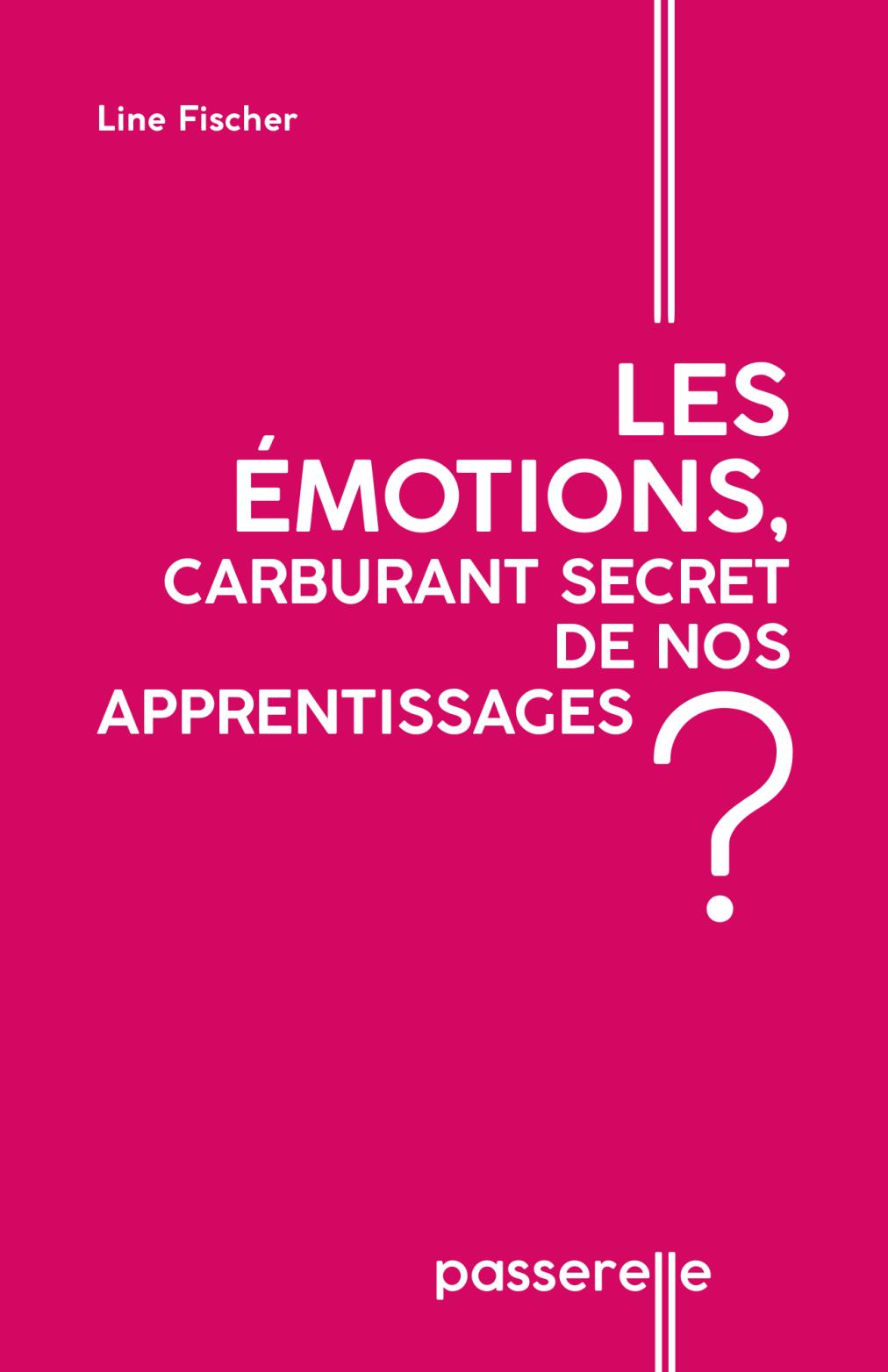
At the collection launch event, which will combine meetings and debates, the first two Passerelle books will be presented: 

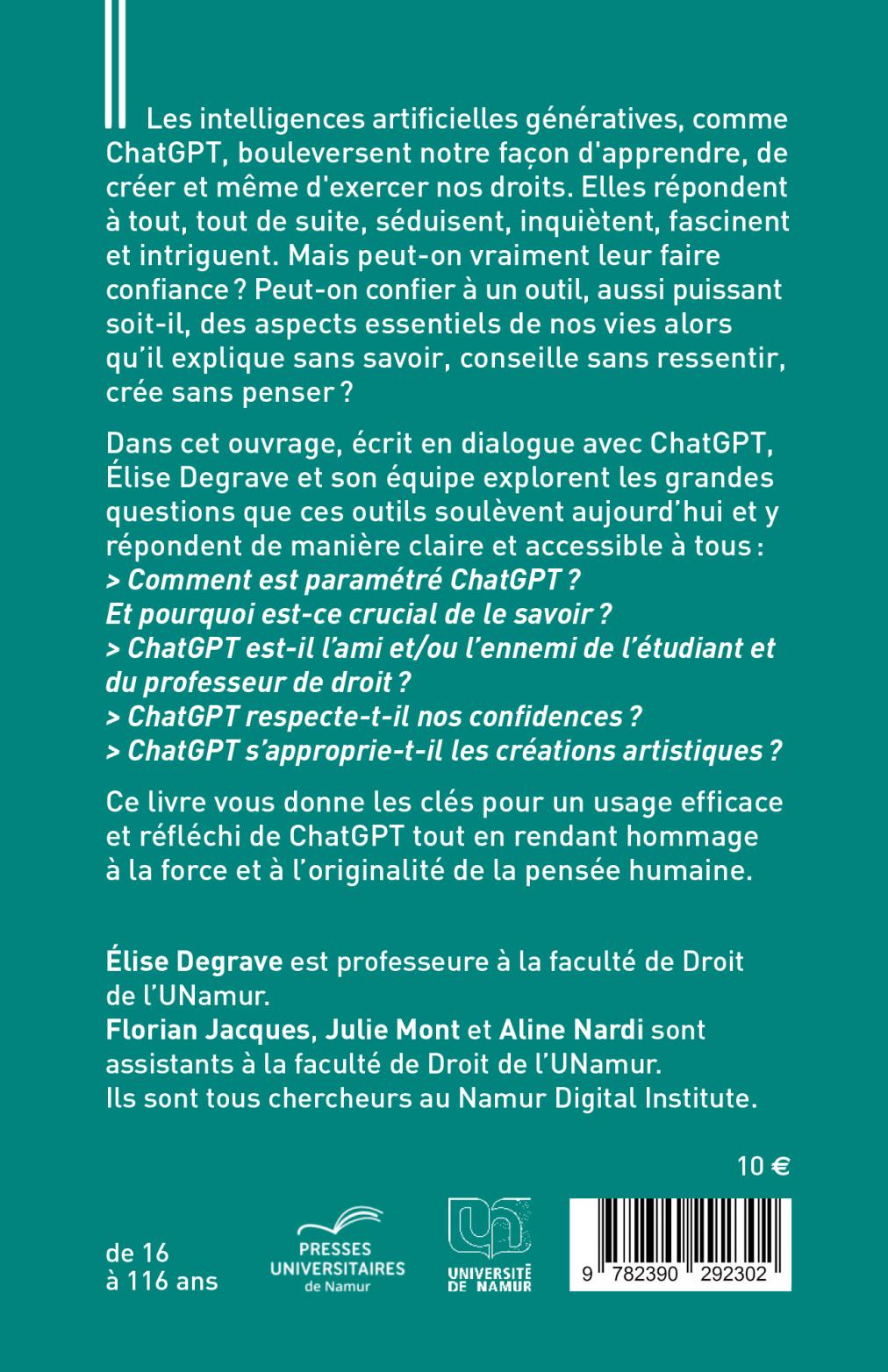
  • Is ChatGPT an outlaw? 

Can we entrust essential aspects of our lives to AI when it explains without knowing, advises without feeling, and creates without thinking? 

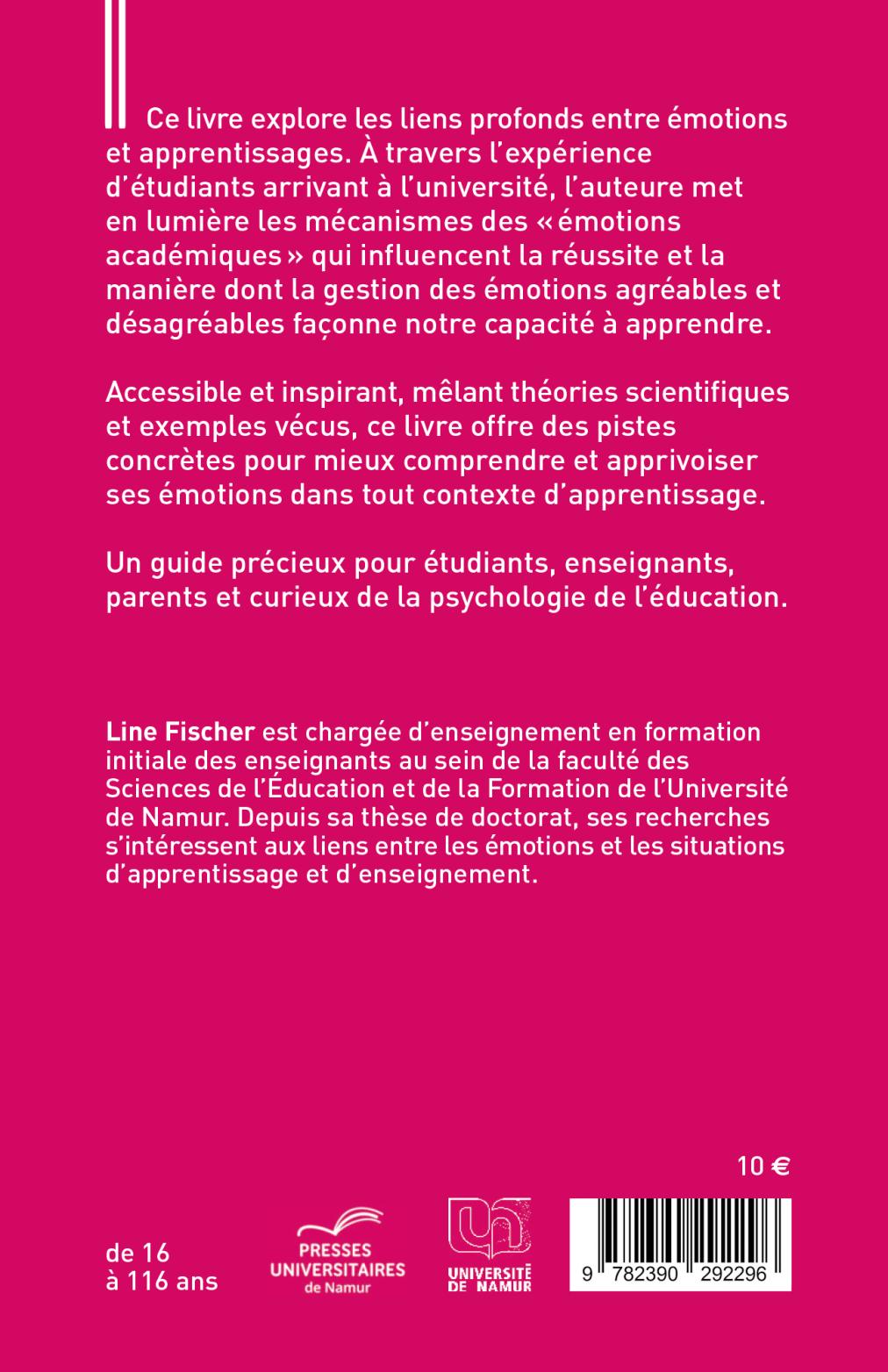
  • Are emotions the secret fuel of our learning?

Explore the mechanisms of "academic emotions" that influence success and shape our ability to learn.

Namur University Press

Les Presses universitaires de Namur (PUN), UNamur's internal publishing service, publishes research conducted at the university: Interdisciplinary approaches, monographs, conference proceedings, and student textbooks—the books published by Les Presses universitaires de Namur reflect the diversity of approaches taken within the university.

The team consists of three people and is supported by an editorial committee that includes a representative from each faculty.